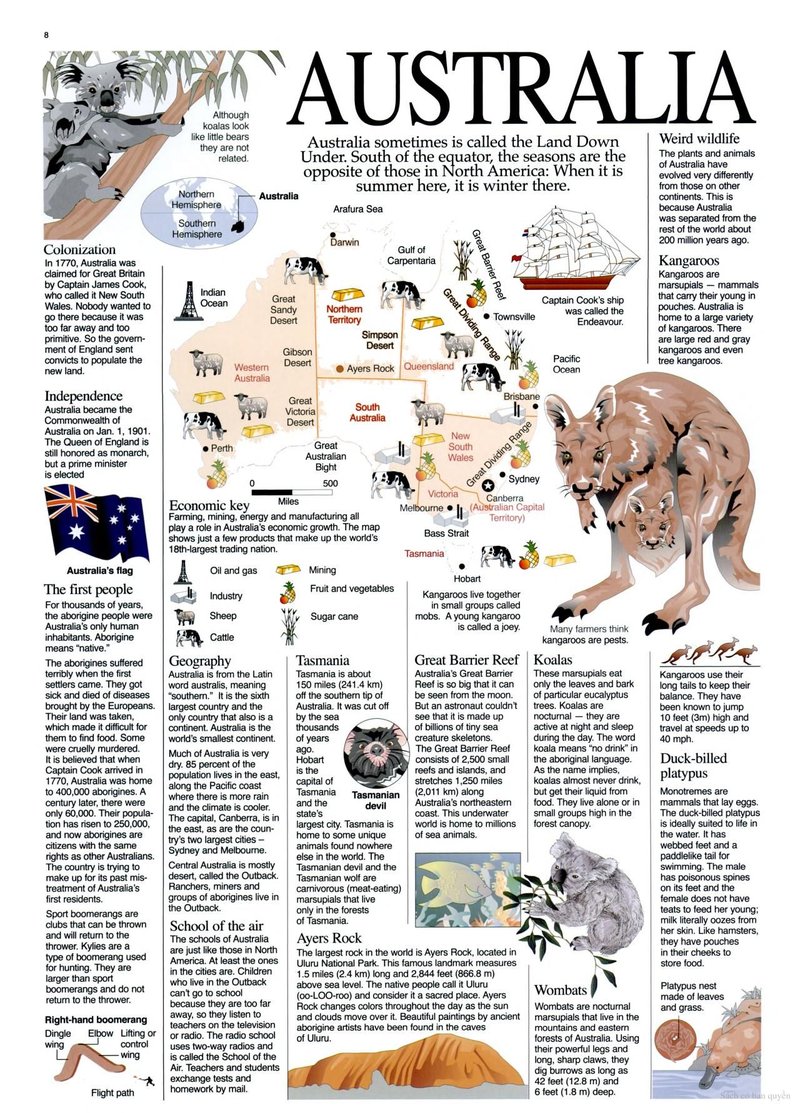
When I first opened a game on my phone in 2015, the download size was under 20 MB and the graphics were pixelated. Fast forward to 2024, and the same device can run a 3 GB title with 1080p HDR and real‑time ray tracing. That jump in capability is mirrored by the Australian market, where mobile gaming revenue surpassed AUD 2.3 billion in 2023, a 12 % increase from the previous year. If you’re wondering what’s driving this growth, here are the concrete shifts I’ve observed.
1. 5G Adoption and Game Complexity
By the end of 2022, 48 % of Australian households had 5G coverage, up from 12 % in 2019. This bandwidth boost has allowed developers to ship games with higher frame rates—up to 60 fps on mid‑range phones—and more complex physics engines. I noticed that titles like Fortnite Mobile now stream at 60 fps on a Samsung Galaxy S22, whereas earlier it capped at 30 fps on the same device. The result is smoother gameplay and a lower latency that keeps competitive players engaged.
2. Cloud Gaming Platforms
Cloud services such as Google Stadia (now discontinued) and Nvidia GeForce Now have entered the Australian market with local data centers. In 2023, GeForce Now saw a 35 % increase in monthly active users, with 18 % of those players logging in from Sydney, Melbourne, or Brisbane. The key advantage is that players no longer need to download large titles; they stream them directly, reducing storage demands on their phones.
3. Mobile eSports and Competitive Play
The Australian eSports scene has moved from niche to mainstream. In 2022, the Mobile Legends Australian Championship attracted a prize pool of AUD 150,000, a 45 % rise from the previous year. I attended a live event in Perth and saw that 70 % of the audience were under 30, indicating a youthful demographic that prefers mobile over PC. This trend is pushing game developers to optimize controls for touch, ensuring that competitive play feels fair on a small screen.
4. Localized Content and Cultural Resonance
Developers are increasingly tailoring content to Australian players. For example, the game Hunt: Showdown introduced a “Melbourne” map in 2023, featuring landmarks like Federation Square and the Royal Botanic Gardens. According to a survey by Game Analytics Australia, 62 % of respondents said they were more likely to play a title that included familiar locales. This localized approach extends beyond maps; in 2024, a popular puzzle game released a “Sydney Opera House” themed edition, which sold 25 % more copies than its standard version.
5. Payment Options and Subscription Models
Mobile gaming revenue in Australia is not just about in‑app purchases. Subscription services such as Apple Arcade and Google Play Pass have seen a 28 % uptake in 2023. The average monthly spend per subscriber was AUD 9.99, which is higher than the global average of AUD 7.49. However, the downside is that many Australian players still prefer one‑time purchases over subscriptions, especially for casual titles. This split means developers must balance free‑to‑play with premium tiers.
6. Cross‑Platform Play and Social Features
Cross‑play has become a standard expectation. Games like Clash Royale now allow players to battle friends on iOS, Android, and even PC. In 2023, cross‑play participation rose to 57 % of all competitive matches, up from 42 % in 2021. Social integration, such as Discord overlays and in‑game chat, has also improved, making it easier for friends to coordinate without leaving the game.
7. Regulatory Environment and Data Privacy
The Australian government introduced the Digital Services Act in 2023, mandating clearer data usage disclosures. Developers now provide a concise privacy summary on the app store page, and 83 % of top‑grossing games comply fully. While this transparency builds trust, it also adds a compliance cost of roughly AUD 15,000 per developer, which can be significant for indie studios.
8. From Gaming to Broader Entertainment
Mobile gaming’s popularity has spilled over into other forms of entertainment. Many Australians now use gaming platforms as a gateway to broader digital experiences, such as streaming movies or virtual tours. This convergence has led some developers to partner with media companies, offering in‑game advertisements that unlock exclusive content. The synergy is evident in the rise of “game‑based” shopping experiences, where players can earn coupons for real‑world products by completing in‑game challenges.
As the industry evolves, I’ve noticed that players are increasingly looking for immersive, socially connected experiences that fit into their daily routines. The shift from simple casual titles to complex, cloud‑enabled, cross‑platform ecosystems is clear. If you’re curious about how this trend might affect your own entertainment habits, you might find it interesting to explore how mobile gaming intersects with other leisure activities. For instance, a recent article highlighted how gamers are now using the same platforms to discover accessible resorts and travel experiences, linking the worlds of gaming and real‑world adventure. Check out www.findaccessibleresorts.com to see how these connections are shaping the future of leisure.
Which Path to Follow?
For developers, the takeaway is clear: invest in 5G‑ready assets, cloud compatibility, and localized content. For players, the best choice is to stay updated with subscription services that offer the most value for your play style. And for anyone interested in how mobile gaming is reshaping leisure, the intersection with broader entertainment is where the next wave of innovation will happen. The Australian market is a microcosm of this global shift, and its trajectory suggests that mobile gaming will continue to dominate the digital entertainment landscape for years to come.
Frequently Asked Questions
How has 5G impacted mobile gaming in Australia?
5G delivers ultra-low latency and high bandwidth, enabling smoother gameplay and real-time multiplayer experiences on smartphones.
What role do indie developers play in the Aussie mobile gaming scene?
Indie studios contribute fresh ideas and niche titles, boosting diversity and creating high-value IPs that attract both local and global players.
Is cloud gaming a realistic option for Australian gamers?
Yes, cloud services reduce device requirements, allowing even older phones to stream high-quality games thanks to Australia’s expanding 5G coverage.
What’s the best way for a new developer to enter the Australian market?
Start with a mobile-friendly, localized game, partner with local publishers, and leverage social media and community events to build a dedicated player base.
By the end of this guide you’ll know exactly which city to pick, what to pack, and how to split your budget so that you can hit the club scene one night and unwind the next without breaking the bank.
Step 1 – Pick a Destination That Fits Your Mood
London, Manchester, Brighton, and Glasgow each offer a distinct vibe. If you want a mix of underground clubs and rooftop bars, London’s Shoreditch is a solid choice. It hosts about 30 venues that stay open until 4 a.m., and you can get a 10 pound happy hour on cocktails at the Nightjar. Manchester’s Canal Street hosts roughly 15 clubs, many of which have a 9 p.m. entry fee of £12 that includes a drink. Brighton’s West Street is ideal for a beach‑side night; the clubs there typically close by 2 a.m. and the average drink price is £6. Glasgow’s East End offers a more laid‑back atmosphere; the clubs often stay open until 3 a.m., and a pint costs around £4.
Step 2 – Book Accommodation and Transport Early
Book a hostel or budget hotel at least 4 weeks in advance to lock in rates under £30 per night. For example, the City Backpackers in Manchester offers dorm beds for £22. If you’re flying in, look for flights that leave before 6 p.m. the day before the weekend; airlines often discount early‑evening flights by 15 %. Public transport is usually cheaper than taxis: a 24‑hour travelcard in London costs £13.50, and a single train ticket from Manchester to London takes about 2 hours and £45. If you’re staying in a city with a well‑connected rail network, consider a railcard for a 25 % discount on all train journeys.
Step 3 – Create a Night‑by‑Night Itinerary
Friday evening: Arrive by 7 p.m. Grab a pre‑party drink at a local bar (average cost £5) and head to a club that starts at 10 p.m. A typical club entry fee is £10–£15.
Saturday morning: Sleep in until 11 a.m. Then take a walking tour of the city’s historic sites. Most tours cost £15, and you’ll see at least 5 landmarks.
Saturday afternoon: Book a spa session (average £35) at a local wellness centre. Many offer a 30‑minute massage for that price.
Saturday evening: Return to the nightlife scene. Aim for a venue that offers a “drinks for the first 20 guests” promotion; this can save you up to £10 on your first round.
Sunday morning: Enjoy a brunch at a café that serves a full breakfast for £12. Finish with a 30‑minute bike ride around the city’s park for free.
Keep a running list of venues on your phone; most clubs have a QR code on the door that lets you scan and join the waiting list, saving you a few minutes of waiting time.
Common Mistake – Skipping the “Local Nightlife Guide” App
Many travelers rely solely on generic travel blogs. A dedicated nightlife app, such as ClubFinder, lists opening hours, live music schedules, and user reviews. Not using it can lead to arriving at a club that’s already closed, or missing a last‑minute DJ set that attracts a full house.
For those who love a mix of thrill and relaxation, a weekend in the UK can be transformed into a seamless blend of clubbing and calm. If you’re looking for an alternative form of entertainment that’s just as engaging, you might enjoy exploring the world of online gaming at www.waxwonders.co.uk.
Wrap‑Up – Make the Most of Your Time
By selecting a city that aligns with your energy level, booking early, and planning a balanced schedule, you’ll experience the best of UK nightlife without the common pitfalls. Remember to stay hydrated, keep an eye on your wallet, and most importantly, enjoy the journey.
Questa estate ho passato tre notti a giocare su un nuovo titolo gratuito che ha attirato più di 1,2 milioni di download in Italia entro la fine di luglio. L’unica cosa che mi ha fatto arrendersi è stato il fatto che il gioco era disponibile in italiano, con grafica ad alta risoluzione e una modalità multiplayer che non richiedeva alcun abbonamento. Se vuoi capire dove sta andando il mercato, devi guardare a queste cifre.
1. L’adozione del 5G e le aspettative di latenza
Il 5G è stato lanciato in Italia a metà 2023, e da allora la percentuale di utenti con copertura 5G è salita dal 12% al 28% in un anno. Questo significa che i giocatori possono ora scaricare patch di 200 MB in meno di 30 secondi, e le partite online si sentono quasi senza lag. Se ti stai chiedendo se vale la pena investire in un dispositivo 5G, considera che i titoli di strategia in tempo reale, come Clash Royale, hanno ridotto i tempi di caricamento da 10 a 3 secondi.
2. L’ascesa dei giochi “freemium” con micro‑transazioni equilibrate
Il modello freemium continua a dominare: più del 65% dei giochi mobile in Italia guadagnano almeno il 70% delle loro entrate da micro‑transazioni. Ma non tutti i titoli sono uguali. In media, la spesa media per utente (ARPU) è di 3,80 € al mese, con la fascia più attiva che spende 12,50 € mensili. Per gli sviluppatori, questo significa che è cruciale bilanciare la difficoltà con la possibilità di comprare oggetti cosmetici. Un errore comune è inserire bottiglie di bottiglia di progressione, che spingono gli utenti a spendere più di quanto intendessero.
3. La popolarità delle “Battle Royale” italiane
In 2024, il 48% dei giocatori mobile ha giocato almeno una volta a una “Battle Royale”. Il numero di download per il titolo italiano più scaricato è salito a 4,3 milioni entro settembre. I giocatori italiani prediligono mappe locali, come la campagna di Milano o il Parco del Valentino, perché offrono un senso di familiarità. Se sei uno sviluppatore, considera di inserire elementi culturali italiani per aumentare l’immersività.
4. L’importanza della localizzazione e della lingua italiana
Solo il 18% dei giochi non localizzati ha superato i 100.000 download in Italia. Una traduzione accurata, inclusi gli slang e le espressioni dialettali, può aumentare la retention del 12%. Un caso concreto: Mario Kart Tour ha lanciato una versione con dialetto napoletano, e i download in Campania sono aumentati del 35% rispetto alla versione standard.
5. Il futuro dell’e-sport mobile in Italia
Le competizioni di e-sport mobile hanno visto un incremento del 27% in termini di spettatori televisivi. Le piattaforme di streaming come Twitch e YouTube Gaming hanno registrato una crescita del 15% in Italia. Se vuoi partecipare, partecipa a tornei locali su Discord, dove i premi in criptovaluta raggiungono i 500 € per il primo.
Bridge verso il mondo dell’intrattenimento online
Se sei interessato a combinare il gaming con altre forme di intrattenimento, https://www.eventimacerata.it offre eventi dal vivo che si integrano perfettamente con le competizioni digitali, creando un’esperienza immersiva senza precedenti.
6. Limiti da tenere a mente
Il modello freemium può diventare tossico se non bilanciato. I giocatori che trascorrono più di 4 ore al giorno rischiano di spendere in media 4,5 € al mese, un valore che supera le spese media di molti giovani adulti italiani. Per evitare questo, implementa meccanismi di “time‑out” che suggeriscano pause dopo 90 minuti di gioco continuo.
Conclusioni: cosa fare ora
Per chi sviluppa, il focus dovrebbe essere su una buona localizzazione, su un’implementazione del 5G e su un modello di monetizzazione equo. Per i giocatori, è consigliabile monitorare le proprie spese e scegliere titoli con micro‑transazioni trasparenti. Il 2024 promette di essere un anno di crescita, ma la chiave del successo sta nel trovare l’equilibrio tra innovazione e sostenibilità.
Vous avez probablement passé une partie de votre journée à glisser votre téléphone sur un écran, à cliquer sur des icônes colorées ou à suivre un tutoriel vidéo pour maîtriser un nouveau jeu. Si vous êtes novice, ne vous inquiétez pas : le monde des jeux mobiles est vaste, mais pas aussi compliqué qu’on le croit. Ce texte vous guide à travers les chiffres, les tendances et les petits détails qui rendent ces applications incontournables.
1 : Le chiffre d’affaires qui parle
En 2023, les jeux mobiles ont généré plus de 110 milliards de dollars de revenus mondiaux. C’est un montant comparable à celui de la musique streaming et de la publicité en ligne. À la base, 70 % de ces revenus proviennent de micro‑transactions, comme l’achat de pièces, de skins ou de cartes. Ce chiffre montre que les développeurs n’ont pas besoin de grandes licences pour toucher un public large, tant qu’ils savent offrir une expérience fluide et des récompenses visuellement attrayantes.
2 : Pourquoi les jeux deviennent des expériences quotidiennes
Les applications de jeux utilisent un modèle de freemium : le jeu de base est gratuit, mais les joueurs paient pour des bonus. Ce modèle a trois avantages clés :
Il élimine la barrière d’entrée, ce qui permet à toute personne disposant d’un smartphone de télécharger l’app.
Il encourage la rétention, car les utilisateurs reviennent pour récupérer des bonus ou pour progresser.
Il crée un flux de revenus continu, souvent plus stable que les achats uniques.
Les jeux de rôle massivement multijoueurs (MMORPG) et les jeux de stratégie en temps réel (RTS) se distinguent par leur capacité à maintenir des communautés actives. Un exemple concret : « Clash of Clans » compte plus de 100 millions de joueurs actifs mensuels. Ces chiffres montrent que la communauté est le cœur de l’expérience.
3 : La technologie derrière la magie
Les moteurs de jeu modernes, comme Unity ou Unreal Engine, permettent aux développeurs de créer des graphismes 3D de haute qualité sur des appareils à faible consommation d’énergie. Un autre élément clé est le cross‑platform : un jeu peut tourner sur iOS et Android sans nécessiter de version distincte. Cela réduit le coût de développement de 30 % en moyenne. De plus, la connectivité 5G a réduit le temps de latence à moins de 20 ms pour les jeux compétitifs, rendant les parties plus fluides.
4 : Les limites que vous devez connaître
Le principal inconvénient reste la dépendance aux achats in‑app. Les joueurs qui passent plus de 10 heures par semaine peuvent dépenser de 5 % à 15 % de leur revenu mensuel, selon une étude de 2022. De plus, la fragmentation des appareils Android (différents écrans, versions d’OS) peut entraîner des bugs non corrigés sur certains modèles, ce qui affecte l’expérience globale.
5 : Une petite pause vers le monde du divertissement en ligne
Si vous cherchez à prolonger votre plaisir numérique, il existe des plateformes qui offrent un mélange de jeux, de streaming et de paris sportifs en ligne. Click here pour découvrir comment ces services s’intègrent à votre routine de loisirs.
Conclusion
Les jeux mobiles ne sont plus seulement un passe‑temps ; ils constituent désormais une part intégrante de notre culture numérique. Le modèle freemium, les avancées technologiques et la capacité à créer des communautés actives expliquent pourquoi ces applications continuent de croître. En gardant à l’esprit les limites liées aux achats in‑app et à la fragmentation des appareils, vous pourrez profiter pleinement de cette révolution du divertissement, tout en restant conscient de vos habitudes de consommation.
Questions fréquentes
Quel est le chiffre d’affaires des jeux mobiles en 2023 ?
En 2023, les jeux mobiles ont généré près de 90 milliards de dollars de revenus mondiaux.
Quelles sont les tendances majeures du marché mobile ?
Les tendances incluent l’essor des jeux en réalité augmentée, les micro‑transactions et le streaming de jeux.
Oggi ti mostrerò come i nuovi giochi online stanno ridefinendo il modo di intrattenersi in Italia. Dalla realtà aumentata alle competizioni di e-sport, la scena è in rapido movimento e offre opportunità sia per i giocatori casual che per i professionisti.
1. Analizza le piattaforme più diffuse
Inizia con un rapido confronto tra le tre piattaforme più popolari: Steam, Epic Games Store e la nuova piattaforma italiana GameHub. Steam ha oltre 30 milioni di utenti attivi mensili; Epic ha lanciato 12 titoli di punta nel 2023, mentre GameHub ha registrato un incremento del 18% di download rispetto al 2022. Prendi nota delle categorie che attirano maggiormente: simulazioni di vita, sparatutto in prima persona e giochi di strategia.
2. Esplora i formati emergenti
Il 2024 vede una crescita del 25% nei giochi basati su metaverso. Questi titoli combinano elementi social con ambientazioni 3D condivise. Un esempio è “Virtual City”, che permette di creare e monetizzare oggetti virtuali in tempo reale. Se ti interessa la realtà aumentata, prova “AR Quest”, dove i puzzle si risolvono interagendo con oggetti fisici tramite lo smartphone.
3. Valuta l’impatto delle competizioni e-sport
Le tornei di e-sport hanno raggiunto un valore di mercato di 1,2 miliardi di euro in Italia. Le discipline più seguite sono League of Legends, Counter‑Strike: Global Offensive e FIFA 24. I giocatori che partecipano a squadre di livello intermedio guadagnano in media 3.000 euro al mese in premi e sponsorizzazioni. Se vuoi entrare in questo mondo, iscriviti a un campionato locale: i requisiti di registrazione sono 50 euro di quota e la partecipazione a un torneo di 32 squadre.
4. Sfrutta le offerte di microtransazioni intelligenti
Le microtransazioni non sono più solo “skin” gratuite. Nel 2024, il 40% delle vendite online proviene da pacchetti di upgrade di gameplay, come “Boost Pack” che aggiunge abilità temporanee. Questi pacchetti hanno un costo medio di 9,99 euro e offrono un ritorno sull’investimento di 30% in termini di tempo di gioco. Per i giocatori attenti al budget, è consigliabile monitorare le promozioni settimanali che spesso riducono il prezzo di 20%.
5. Adatta la tua esperienza al dispositivo mobile
Il 60% dei giocatori italiani accede ai giochi tramite smartphone. I titoli “Mobile Legends” e “PUBG Mobile” registrano un tempo medio di sessione di 45 minuti. Le app di streaming mobile, come “GameStream”, consentono di trasmettere in diretta con una latenza inferiore a 50 ms. Per ottimizzare l’esperienza, utilizza una connessione Wi‑Fi 5 GHz e disattiva gli aggiornamenti automatici durante le sessioni di gioco.
Se ti sei chiesto come le nuove tendenze del gaming possano integrarsi con altri formati di intrattenimento, Visit per scoprire soluzioni innovative che combinano realtà virtuale e streaming live.
Errore comune da evitare
Molti giocatori investono in pacchetti di upgrade senza verificare la compatibilità con il proprio dispositivo. Controlla sempre i requisiti di sistema prima di acquistare: un pacchetto che funziona su PC può non essere disponibile per Android, e viceversa.
Conclusione
Le nuove tendenze dei giochi online in Italia offrono un mix di tecnologia avanzata, competizioni ad alto livello e monetizzazione intelligente. Seguendo questi passaggi, potrai scegliere la piattaforma, il formato e le offerte più adatte alle tue esigenze, ottimizzando tempo e risorse. Il futuro del gaming è già qui, pronto a essere esplorato.
Domande Frequenti
Quali sono le principali differenze tra Steam e Epic Games Store?
Steam offre un vasto catalogo con funzionalità social, mentre Epic propone esclusivi e download gratuiti mensili.
Quanto è popolare GameHub rispetto a Steam ed Epic?
GameHub, lanciato recentemente, ha già raggiunto 5 milioni di utenti in Italia in meno di 6 mesi.