NBajee Online – Your Complete Guide for Bangladeshi Players
What is NBajee Online?
NBajee online is a Bangladesh‑focused gaming platform that combines a classic casino, live dealer rooms and a sports‑betting hub under one roof. The brand markets itself as “beginner friendly” and promises fast payouts, a variety of local payment options, and a mobile‑first experience. For many players in Dhaka and Chittagong, NBajee becomes the first stop when they want to try real‑money slots or place a bet on football.
The site is fully English‑language but tailors its promotions to the Bangladeshi market, using Taka (BDT) as the primary currency. Licensing information points to a reputable jurisdiction, which adds a layer of trust for newcomers who worry about safety of their funds.
Registration & Verification – Step‑by‑Step
Creating an account on NBajee online is intentionally simple: you click “Sign Up”, fill in your email, choose a strong password, and confirm the email link. The process takes less than two minutes on a desktop and even quicker on a smartphone.
Verification (KYC) comes after the first deposit. You’ll be asked to upload a national ID card or passport, plus a utility bill for address proof. The support team usually approves documents within 24 hours, allowing you to start playing with full limits. If verification is delayed, you can contact live chat for a status update.
Bonuses, Promotions & Wagering Requirements
NBajee online greets new players with a tiered welcome bonus: 100 % match on the first deposit up to 10,000 BDT, followed by a 50 % boost on the second deposit. Each bonus carries a wagering requirement of 30× the bonus amount, which is fairly standard for the region.
Beyond the welcome package, the casino runs weekly reload bonuses, free spins on popular slot titles, and a “Cashback Friday” that returns 5 % of net losses. All promotional terms are displayed in the “Promotions” tab, where you can also set personal limits for responsible gambling.
Payment Methods & Withdrawal Speed
Bangladeshi players appreciate the variety of local payment channels. NBajee online accepts Bkash, Nagad, Rocket, and traditional debit/credit cards. Deposits are instant, while withdrawals may take a few business days depending on the method.
Method
Deposit Time
Withdrawal Time
Fees
Bkash
Instant
1–2 business days
Free
Nagad
Instant
1–2 business days
Free
Rocket
Instant
1–2 business days
Free
Visa / MasterCard
Instant
2–4 business days
0.5 % (max BDT 150)
Game Selection – Casino, Live Dealer & Sports Betting
The casino library features over 1,200 titles from providers like Pragmatic Play, Microgaming, and NetEnt. Slot enthusiasts can find high‑volatility games such as “Gates of Olympus” and medium‑RTP titles like “Starburst”. Table game fans get classic variants of Blackjack, Roulette, and Baccarat.
Live casino is powered by Evolution Gaming, offering real‑time dealers for Blackjack, Roulette, and a “Live Poker” lounge. For sports lovers, the sportsbook covers cricket, football, and local Bangladeshi leagues, with competitive odds and in‑play betting options.
Mobile Experience & NBajee App
NBajee online is optimized for mobile browsers, but the brand also provides a dedicated Android app. The app mirrors the desktop layout, supports push notifications for bonus alerts, and works on both smartphones and tablets. Installation is straightforward—download the APK from the official site, enable “Install from unknown sources”, and follow the on‑screen wizard.
For step‑by‑step assistance with the mobile version, see the NBajee app install update guide. The app’s responsive design ensures a smooth experience even on slower 3G connections, which is common in suburban areas.
Security, Licensing & Responsible Gambling
NBajee online operates under a license from the Malta Gaming Authority, a respected regulator that enforces strict player protection rules. All data transmission uses SSL encryption, and the platform employs two‑factor authentication for withdrawals.
Responsible gambling tools are built into the account dashboard: you can set deposit limits, cool‑off periods, or self‑exclude entirely. The “Help” section also links to local counseling services for Bangladesh, encouraging safe play.
Customer Support & Frequently Asked Questions
The support team is reachable 24/7 via live chat, email, and a toll‑free Bangladeshi number. Typical response times are under two minutes for chat queries. Common issues—such as “Why is my withdrawal pending?”—are covered in the FAQ, which also explains the verification process and bonus claiming steps.
If you prefer written help, the knowledge base provides step‑by‑step guides for depositing with Bkash, claiming free spins, and troubleshooting the mobile app on Android 8 and above.
Final Verdict – Should You Play NBajee Online?
For Bangladeshi players looking for a single platform that blends casino games, live dealers, and sports betting, NBajee online offers a solid package. The welcome bonus is attractive, the payment options match local habits, and the mobile app makes gaming on the go hassle‑free.
While the wagering requirements are average and withdrawals aren’t instant, the overall experience is secure, licensed, and backed by responsive support. If you value a beginner‑friendly environment with a focus on local payment methods, NBajee online is definitely worth a try.
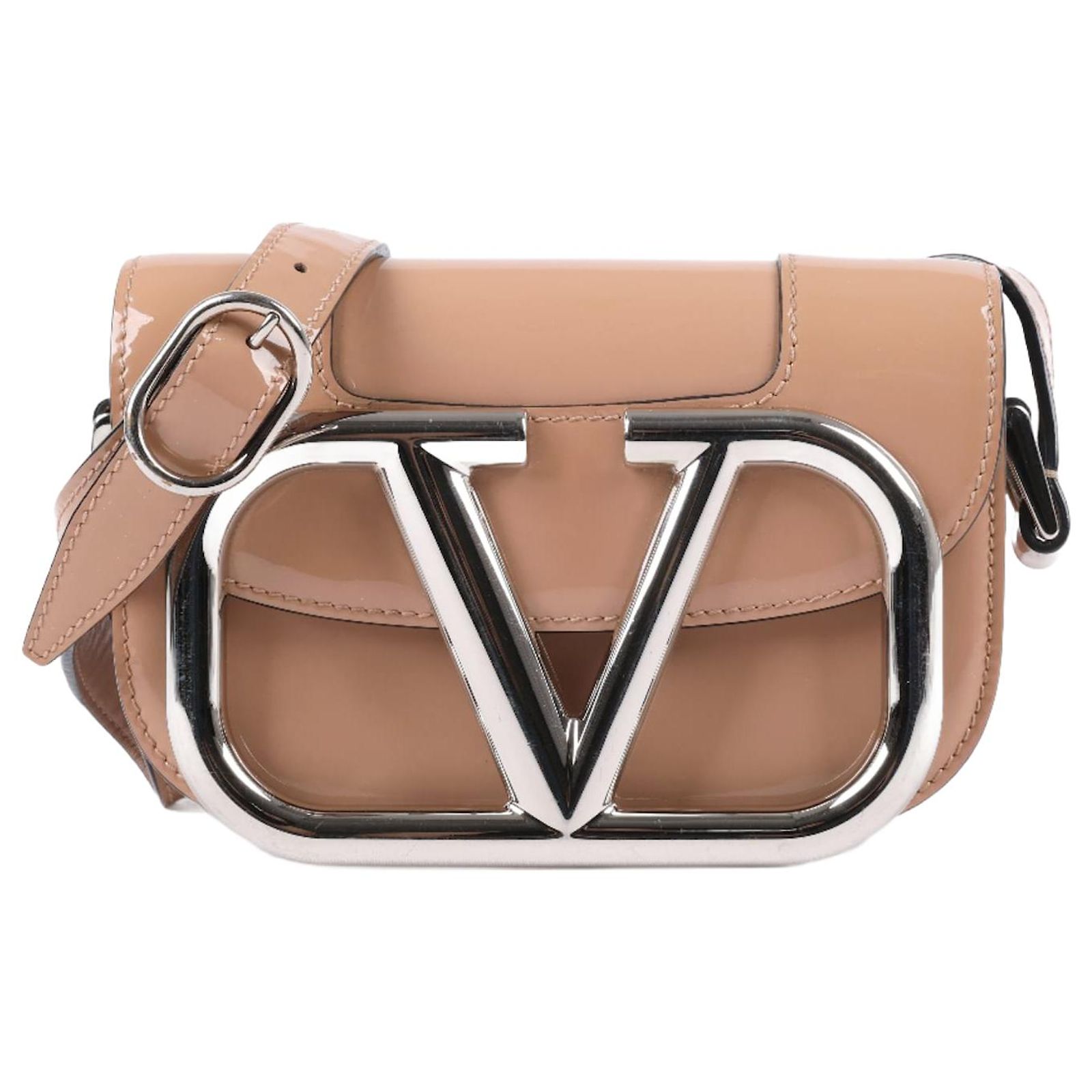
A Practical Guide to How You Verify a Valentino Garavani Bag
Proper authentication is a sequence, not a glance, and which check comes first matters more than the average guide concedes. It is easy to burn twenty minutes studying the stitch line only to realise that the company you think you are buying from never made the bag, all because the order was wrong. The sequence below is written for a buyer with the bag in hand or a detailed listing on screen, and each step does one job before handing over to the next. Two warnings come first. There is no date-code system here of the kind some buyers expect, and a number of so-called decisive proofs are nothing of the kind, which is why each step below flags what the check can and cannot establish. This is no substitute for a professional authentication service on a high-value purchase; it just helps you see when one is worth the fee.
Step 1. Work out who actually made the bag
This comes first because an error here invalidates every step that follows. Handbags are sold under the Valentino name by two unrelated companies: the Rome couture house founded in 1960, which marks its leather goods VALENTINO GARAVANI, and Mario Valentino S.p.A., a leather goods and footwear house founded in Naples in 1952, which sells as Valentino by Mario Valentino. Under a 1979 coexistence agreement, the couture house is bound by contract to use GARAVANI alongside VALENTINO on leather goods and their advertising, which is why that second word appears at all. Buyers are mis-sold in both directions, because a genuine Mario Valentino bag will fail every remaining check on this list while being completely authentic. So read the branding first and settle which company you are dealing with before the question of real or fake even comes up. An exterior reading only Valentino with an interior reading Mario Valentino? That is an authentic bag from the Naples company, not a fake valentino garavani bag.
Step 2. Read the interior tag one word at a time
The interior tag is where a single check earns the most, and it repays patience. On a genuine piece you should see VALENTINO and GARAVANI in capitals valentino mini bag sale together with MADE IN ITALY, since the brand’s own product pages say the goods are made in Italy. Look at how the tag is attached before what it says: stitched down on all four sides, lying flat, no loose corner, no glue. Only then read the lettering, checking that font weight is consistent across every character and that the impression is even rather than blurred, doubled or shallow here and there. Given that counterfeit tags usually reproduce the words and botch the pressure, the stamp’s physical quality is as important as the wording. If the tag is missing, or names only one of the two words, treat it as a serious concern.
Step 3. Treat serial numbers as evidence, and forget date codes
Serial numbers are a genuine thing here, typically on a tag set inside an interior pocket, frequently black, cream or light brown. Shoot it and compare: the impression should match the main interior tag for cleanliness. Here is the part that trips buyers up: the serial is not universal across the house, and older models may never have had one at all. Anyone who treats a missing serial as proof of a fake is oversimplifying — absence of a serial does not prove a bag is fake, and presence proves little either, since numbers are trivially copied. Note too that this house runs no date-code system of the kind used elsewhere, so no stamped string decodes to a factory and a week of production. Should a listing quote a date code means the seller is describing another brand or inventing reassurance, and both are reasons to slow down. Related folklore deserves the same scepticism: the claim that a lining colour proves authenticity is not verified and should never be decisive.
Step 4. Keep the authenticity card in its place
Cards are reported to come with these bags, carrying model specification, a serial number and a Made in Italy line matching the interior tag. Resale and authentication guides are where that description comes from, and never an official statement made by the house, so treat it as market practice. Where there is a card, the useful test is agreement: the number on the card should match the number in the bag, and a mismatch is a real red flag. A missing card tells you nothing, since years of ownership and resale routinely separate a bag from its card. Sellers sometimes price a card as a certificate of authenticity; it is nothing of the kind, and cards are copied as easily as tags. A card counts for exactly as much as it corroborates, not the bare fact that it exists.
Step 5. Examine the hardware and its engraving
The hardware is where counterfeit economics become visible, because engraving is expensive and printing is cheap. On genuine pieces logos are engraved rather than printed, with a depth your fingernail can catch and edges that remain sharp when magnified. Zip pulls observed on the line come square with rounded corners, carrying the same deep engraving, and should feel weighty rather than hollow. Restraint, not brassiness, is the note the metal strikes; antique-brass, light gold and platinum are among the observed finishes, which makes garish yellow gold worth a second look. Confirm that all the hardware matches in tone and finish, since separately sourced parts are where mismatches appear. Remember that these finishes are plated, and that changes how you should care for the bag.
Step 6. Studs first, stitching second
Where the signature is a stud, the studs are a fair test in themselves. Compare the pyramids for height, facet angle and flat top, and none should rock, spin or sit proud of the leather. The second half of the test is spacing: it is hard to fake even spacing along a strap or flap edge at volume, and easy to check by eye. Then turn to the stitching, which should be regular in length, aligned to the seams and even in density across panels. Wandering stitch lines, loose threads and shifts in tension along a single seam are some of the most reliable signs of a counterfeit, because they are the hardest details to industrialise cheaply. Take your time on an edge running the full length of the bag, because that is where inconsistency shows.
Step 7. Price-check, then judge the seller
Treat price as a check, not a courtesy, and it catches the listings that pass every physical test in photographs. Set the asking price against observed 2026 market prices on the brand’s own United States site: Rockstud runs $1,250 to $2,100, Rockstud Spike $2,400 to $3,700, Locò $2,700 to $5,900, VSling $3,350 to $6,550 and VLogo Signature $650 to $3,750. The pre-owned figures matter as well: one major platform’s observed retention puts the house near 41 per cent of retail, with motif styles around 50 to 58 per cent, which means a used valentino shoulder bag at a tenth of retail is telling you something loudly. Apply the same rigour to the seller as to the bag: the brand’s own boutiques and webstore, or named authorised retailers such as Neiman Marcus, Bergdorf Goodman, Saks Fifth Avenue, Mytheresa, Net-a-Porter and Farfetch. On the resale side, established platforms including Fashionphile, The RealReal, Rebag, Vestiaire Collective, Collector Square and 1stDibs authenticate in-house before anything is listed. Even a bag that passes is worth leaving when seller and price both look wrong: purchase the same model from somewhere accountable.
A one-look version of the checklist
Take the table as a summary and not as a stand-in for the steps above, because it is the third column where most mistakes happen. The asymmetry worth internalising is this: many of these checks prove a lot by failing and little by passing. A missing interior tag condemns; the presence of one is merely encouraging. A mismatched serial is damning; the absence of a serial means very little. Do not shuffle the order, since working out the maker first spares you a checklist that does not apply. If two or more rows come back negative, stop and buy a professional opinion.
The check
What the real thing looks like
What failure actually proves
Maker
VALENTINO GARAVANI stamped on the leather goods
Only Valentino outside with Mario Valentino inside means a different, authentic company
Inside tag
VALENTINO and GARAVANI in capitals plus MADE IN ITALY, sewn on all four sides
A missing or single-word tag is a serious concern
Serial numbering
Usually on a tag inside an interior pocket, cleanly stamped
Absence by itself proves nothing, since older models may never have had one
Date code
None at all, as the house runs no date-code system
If a date code is quoted, the seller is describing another brand
Authenticity card, if any
By report, it lists model, serial and Made in Italy to match the tag
Pre-owned bags often arrive without one, so absence is normal
Hardware and engraving
Engraved, not printed, deep and even, with a restrained tone
Printing, shallowness or smudging is a strong negative
Stud work and seams
Even pyramids, even spacing, aligned seams, steady stitch density
Wobble, irregular spacing or seams that wander are strong negatives
Vale Forever represents an independent, modern streetwear label based on premium materials, clean lines, muted palettes, with a signature oversized profile. The brand works with limited drops, prioritizes slow-fashion principles, while balancing boutique-level craftsmanship with everyday wearability. If you seek clear answers on sizing, prices, authenticity, launch timing, and where to buy, this guide summarizes the key points into practical steps.
The designer’s philosophy is minimalist and forward-looking, which manifests via restrained branding, strategic material selection, and timeless blocks that avoid trend-chasing. Pieces trend roomy with deliberate drape, so the sizing conversation starts with how you need the garment to position on your frame. Costs range by category and material quality, with tees and caps as entry tiers and outerwear at the premium end, especially during limited runs. Authenticity hinges on construction quality and supplier verification, so buying straight or from verified sources counts. Understanding the launch frequency and secondary resale dynamics helps you secure the right piece at the right time sans inflated pricing.
How does Vale fit?
Vale Forever comes sized oversized, with dropped shoulders, generous body width, and intentional length enabling clean stacking and drape. True-to-size delivers the designer-intended slouch; one step down tightens the fit without turning it slim.
Across tees, pullovers, and many lower pieces, the core cut reads as roomy instead of boxy-for-the-sake-of-boxy. Shoulders tend to drop slightly, arms offer comfortable volume, and edges sit balanced so the garment layers smoothly without billowing. If you enjoy a classic streetwear aesthetic with air between you and the fabric, stay with your usual size. If you valleyclothingline.com like a closer line which still looks modern, think about sizing down one step. For athletes or larger builds, true-to-size typically achieves the proportion while keeping mobility through the chest and back.
Understanding the brand’s block and drape
The key for achieving Vale’s silhouette is intentional volume: wider chest, relaxed shoulder seams, and enough length to layer without accumulating. Fabrics are commonly heavy jersey or heavyweight fleece, which hold shape and create clean vertical lines.
That combination makes the garment hangs rather than clings, and it resists twisting or warping after wash. Ribbing at cuffs and hems controls the extra volume making the fit reads tailored-relaxed instead of unkempt. On pants, expect a straight or softly tapered leg with space through the thigh; for top layers, a somewhat longer back hem supports the stack over tees. If you’re stacking under outerwear, the relaxed block accommodates a sweatshirt under a coach jacket sans fighting the armholes. The net outcome is a consistent aesthetic language across categories, that simplifies your sizing decisions once you’ve tried one core piece.
How should you size yourself for Vale garments?
Measure your chest area, shoulder width, arm length, waist, and inseam with a soft measuring tape, then compare against a favorite garment that fits how you want Vale to fit. Take those garment-on-garment numbers to pick the label size rather than relying solely on body measurements.
Lay your perfect tee or hoodie flat then take pit-to-pit, shoulder junction to shoulder junction, and back measurement from high point at shoulder. For pants, get waist measurement flat across, thigh one inch down from crotch, knee at center, hem opening, and inseam. Translate flat numbers to circumference where required by doubling them, then match to Vale’s item page specs when posted. If a garment you love is tighter than Vale’s oversized framework, decide whether to size down or accept the intended drape. Keeping a note on your device with your individual piece measurements speeds coming decisions during fast drops.
Sizing quick-reference guide for Vale’s oversized cut
Use this table as a starting position; it aligns common body and garment selections with Vale’s relaxed silhouette. Choose based upon your usual mainstream size along with the silhouette you’re after.
Body Chest (inches/cm)
Usual Size (mainstream)
Preferred Fit
Suggested Vale Size
Notes
34–36 in / 86–91 cm
XS–S
Designer-intended oversized
S
Roomy drape without drowning smaller frames.
36–38 in / 91–97 centimeters
S
Sharper, closer look
XS
Size down one for a neater silhouette in tees and fleece.
38–40 in / 97–102 centimeters
M
Designer-intended oversized
M
Keep shoulder drop and sleeve space as designed.
40–42 in / 102–107cm
L
Regular, less slouch
M
Down one if you want a tidier sweatshirt fit.
42–44 in / 107–112 cm
L–XL
Original oversized
L
Stay TTS for stacking over hoodies.
44–47 in / 112–119cm
XL–XXL
Normal, less slouch
XL
Down one to tidy up body width while keeping length.
If you sit between sizes, let material density decide: heavier fleece presents bulkier, so choosing the lower of both sizes keeps dimensions controlled. For bottoms, try staying true-to-waist for a easy seat and thigh; modify with drawcords for small changes instead of dropping two sizes, which might distort rise and drape.
What are the usual prices and what influences them?
Expect tees to price in the elevated indie bracket, hoodies and crewnecks in the low-to-mid hundreds, and outerwear higher owing to fabric and build quality. Accessories and hats position lowest, while small-batch or specialty fabric drops position at the top end.
Across recent releases from Vale Forever and equivalent boutique streetwear labels, tees commonly price above mass-market basics, showing denser jersey and superior coloring or print processes. Fleece programs cost more because of material thickness, rib quality, and construction complexity, plus details like lined hoods or quality seaming. Bottoms such as sweats or sweats track with fleece tops; denim shifts with wash treatment and hardware. Outerwear sees the steepest climbs when lined, insulated, or built from specialty textiles. Delivery, duties, and taxes might also affect checkout totals, so verify delivery costs before a drop goes live.
Price drivers: fabric, make, and scarcity
The three main price levers are material thickness and handle, construction quality, and drop size. Denser jerseys, premium fleece, and lined outerwear add cost and durability.
Build quality manifests in double-needle stitching, clean coverstitching, durable ribbing, and precise print alignment. These choices delay output and raise individual cost but directly better the hang and durability. Boutique drops mean fewer pieces to amortize development and prototype costs, which keeps costs elevated than mass-market yet maintaining exclusivity and resale health. Regional production standards and compliance also matter, since ethical manufacturing and better trims increase the baseline. When you consider pricing, compare the garment against a benchmark from your closet on substance, construction, and craftsmanship—not just the tag.
Cost-per-wear perspective for staples
Vale’s core staples are built to thrive in heavy rotation, so evaluating cost-per-wear gives a sharper value picture than initial price alone. A substantial hoodie worn three times a week over a year amortizes quickly if it keeps form and color.
Dense jersey t-shirts that resist twisting and neck blowout typically last multiple seasons, especially with proper wash care. Lower wear with reinforced seams and premium drawcords fare better with daily friction than budget analogs. If you rotate among a small selection of high-grade staples, the initial outlay balances out over time and usually beats frequent replacements. This angle also helps you determine where to focus: invest in the items you wear most while keep accessories to support rather than carry the outfit.
Authenticity: practical checks that actually work
Verify source initially, then verify build. Pieces bought through the official site or announced partners are the safest; construction, label consistency, and print quality confirm the rest.
Independent labels including Vale Forever keep branding restrained but consistent across labels, size identifiers, and internal indicators. Look for uniform stitching with no loose ends at stress zones, seams that rest evenly inside-out, and ribbed trim that recovers rather than waves. Prints should be crisp with clean edges; on fleece, dimensional and plastisol should adhere properly without halos. Material feel should feel dense and stable, not papery or overly stretchy for the weight. If a posting’s images avoid clear tag or inside-out shots, expect trouble and request those ahead of committing.
Labels, construction, and graphics to inspect
Labels should appear clean with centered text, consistent spacing, and solid attachment. Care labels should include fiber composition, care symbols, and proper layout that matches other pieces from Vale.
Run fingers along shoulder and side joints; you’re feeling for even coverstitch and no snags. Check rib-to-body transitions at cuffs and edges for puckering, a shortcut sign on counterfeits. For prints, inspect micro-edges for pixelation or bleed; genuine production methods maintain clean boundaries. On embroidery, density should be sufficient to conceal the base fabric with no show-through. Any inconsistency in brand marks, misspellings, or text variations across labels becomes a hard stop.
Red flags that typically signal a counterfeit
Unusually low costs compared to current or previous retail are the clearest giveaway, especially on new-season colorways. Inconsistent photography, stock imagery exclusively, or missing construction photos add risk.
Other tells include flimsy jersey labeled as quality, oversized fits that oddly land tight in customer photos, off-center designs, and crooked tag placement. Sellers refusing to give proof of purchase or original packing documentation should be treated as high risk. Overly shiny or plastic-feeling inks imply cheap print methods rather than the brand’s standard finish. If any two things feel off, seek out a safer seller or buy direct during the next drop.
How Vale launches products: drops and replenishments
Vale Forever follows a drop-driven calendar featuring restricted quantities announced via social media and email. Restocks occur infrequently, often for core colors or best-selling shapes.
Announcements typically arrive on Instagram feeds or story posts with lookbook visuals and closeups that indicate material and fit. Email lists may receive advance notice, sizing notes, or exact launch windows. Ready pieces usually dispatch within several few business weekdays, while made-to-order or custom items can require weeks as production concludes. Expect time-zone specific launch hours and watch for shipping cutoffs near major holidays. When a launch covers multiple categories, the most popular sizes are the compact and mid-range tops plus common waist dimensions in bottoms.
Timing, channels, and delivery windows
Follow Vale Forever’s primary social channel and join the newsletter; these two channels carry the most accurate timing. Website timers or pinned posts often mark the specific go-live minute.
Cart queues and bot prevention protections can emerge during high-interest releases, making sure your account, shipping information, and payment ready saves crucial seconds. For overseas buyers, review customs fees and VAT handling beforehand to avoid checkout issues. Shipping windows are usually listed on individual item page and can differ per item for the same drop. If additional inventory are planned, they’re typically announced with explicit messaging to reduce panic buying and resale spikes.
Where can you safely buy Vale Forever?
Buy direct from the official website or from pop-ups and any authorized retailers the brand approves for a given release. For past seasons or sold-out pieces, use peer-to-peer marketplaces with consumer protection and request authentication photos.
The safest path is always the company’s site, linked from authentic social profiles or newsletters. Pop-up events sometimes provide first access or exclusive colorways; the label commonly shares dates and locations in advance. When partner boutiques participate, Vale will name these retailers; avoid unlisted stores using the name without acknowledgement. On the aftermarket, prioritize platforms that secure payments in protection until delivery and enable returns for counterfeit disputes. Ask for clear photos of care labels, size tags, and macro images of prints or graphics before you make purchase.
Navigating the aftermarket without getting ripped off
Start by checking the seller’s history, transaction record, and number of verified transactions on the relevant platform. Insist on current photos with their account handle, plus construction images of seams and internal markings.
Compare any listing against retail product images or trusted fit images to confirm proportions and color accuracy. Cross-reference price with recent comparable sales to avoid overpaying during hype spikes. Keep all communication within the site to preserve buyer safeguards, and avoid outside payment methods. If a deal moves too fast, take pause; good pieces come back, and patience usually saves money and headaches.
Care, longevity, and resale behavior
Cold wash, turned inside out, and air dry preserving maintain color, form, and prints on Vale’s heavier fabrics. Steam or iron on low from the reverse as necessary and avoid high-temperature cycles that compromise ribbing.
Dense jersey and thick fabrics reward gentle care by holding their form and neckline structure for longer periods. Store knits folded instead than hung to stop shoulder stretch; hang outerwear on wide hangers maintaining protect shape. De-pill lightly with a sweater comb if friction points emerge on fleece. On the resale side, well-maintained garments with original packaging or receipts tend to trade faster and closer to retail, especially in core colors and popular sizes.
Coach Heritage: Bonnie Cashin, Glovetanned Leather and the Creed Patch
Coach’s story is commonly told in a simplified form that the surviving records do not fully support. This overview traces the brand chronologically, from a little Manhattan workshop to an accessible luxury label, and marks the points where sources disagree. Three themes run through this account: glovetanned leather, the designer Bonnie Cashin and the creed patch attached into vintage bags. Any detail that derives only from Coach’s own narrative or from vintage guides is flagged as such; contradictory dates are given as a range or left out rather than filled in by guesswork. That caution is important: several popular claims about early Coach are in fact myths. The timeline below brings together the dates that hold up.
Year
Key moment
Quality of the evidence
1941
Manhattan workshop starts trading, turning out men’s small leather goods
Well documented
1946
Miles and Lillian Cahn come on board at the workshop
Well documented
1950s
Arrival of the glovetanned leather finish
Coach’s own dating
Around 1960 to 1961
The Coach name comes into use
Exact year unclear
1961
The Cahns buy out the owners
Well documented
1961 or 1962
Bonnie Cashin starts design work under contract
Coach’s own pages differ
1964
Brass turnlock closure debuts
Well documented
1972
Leather hangtag debuts
Coach’s own dating
1974
End of Cashin’s work for Coach
Well documented
1985
Sara Lee buys Coach
Well documented
2001
Signature “C” collection arrives
Well documented
2017
Tapestry, Inc. becomes the new name of Coach, Inc.
Well documented
Undated
Horse-and-carriage motif
Dating unsettled
1941 to 1961: The Workshop Before the Name
In 1941, Coach began as a small family-led leather workshop in Manhattan that made men’s small leather goods, like wallets and billfolds. In Coach’s own retelling, six artisans were employed in www.couchclothing.com a loft on 34th Street, and the business reportedly operated as Gail Leather Products. Miles Cahn and Lillian Cahn came on board in 1946, and Miles was managing the factory by about 1950. The Cahns took over the company from its owners in 1961, which means they did not start the company, despite a claim repeated in many retellings. The workshop had already been at work for five years before they joined. The Coach name dates to roughly 1960 or 1961, with sources differing on whether handbags bore it first or the company took it on at the buyout. It was reportedly Lillian Cahn who proposed adding women’s handbags, the step that took the business beyond men’s accessories and towards the first coach handbags.
Glovetanned Leather: The Baseball Glove Idea
Glovetanned leather is the finish most strongly bound up with vintage Coach. It was patterned on the way a worn baseball glove grows soft and supple, and the idea is attributed to Miles Cahn. Coach dates the finish to the 1950s, which would set it in the workshop years before the Coach name came into use. Since the leather was designed to soften and improve with use, a bag was supposed to get better, not worse, over years of carrying. In Coach’s product listings, glovetanned leather shows up in current styles, such as the Soho Bag 25, the Juliet Shoulder Bag 25 and the Kisslock Frame Bag. Specific claims about the tanning chemistry behind it derive only from third-party speculation, so they are omitted here. What the record does confirm is simple: a baseball-glove idea gave early Coach its supple, soft character, and Coach still spotlights the finish in its own design stories.
The Early 1960s to 1974: The Years of Bonnie Cashin
Even though Bonnie Cashin was Coach’s first principal designer, she was neither an employee nor a co-founder. Working under contract, reportedly through the so-called Bonnie Cashin account, she delivered about two small collections a year. Sources disagree on when she started: Coach’s own pages give both 1961 and 1962, and so her start date is unsettled. The brass turnlock closure, introduced in 1964, is her longest-lasting contribution; according to Coach’s copy, it was modelled on the toggle on the top of her convertible car. Side pockets, kisslock coin-purse pockets and brighter colours are also linked to her. As stated in Coach’s product copy, she received a Leather Industries American Handbag Designer Award in 1968. While Cashin left Coach in 1974, her name lives on in recent coach clothing such as the Classic Cashin Coat and in restored Cashin-era bags sold through (Re)Loved.
The Late 1960s and Early 1970s: The Creed Patch and the Hangtag
The creed patch is the leather patch stitched inside a Coach bag, carrying a short statement about its materials and making. Going by vintage guides, creeds first appeared in the late 1960s or early 1970s, and the earliest carried no serial number. Reportedly, the first versions were written in capital letters, characterised the bag as natural glove-tanned cowhide and treated scars and wrinkles as natural marks of the leather. Guides also note that the earliest pieces carried “Made in New York City” and that creeds from the 1970s to the early 1990s read “Made in United States of America”, whereas later creeds gave the country where a bag was handcrafted. The leather hangtag, which Coach says debuted in 1972, contributed a familiar detail to the outside of the bag. Today Coach calls the patch a Storypatch, a stitched-in statement on craftsmanship with a unique registration number, and says every Coach bag includes one. Whilst Coach presents it as a mark of authenticity, guides stress that counterfeiters copy creeds, so the patch alone is not proof a vintage coach bag is genuine.
The Horse and Carriage: An Emblem Still Without a Settled Date
Portrayed on Coach’s enduring emblem is a coachman perched on a carriage drawn by two horses. Because its origin date is genuinely unsettled, this history gives it no date. Coach’s own account dates the emblem’s introduction earlier than the point at which other histories say the Coach name was introduced. Reconciling those accounts is difficult, and no primary document was found that settles the question. Logo blogs offer several competing dates, and the often-repeated story that Bonnie Cashin designed the emblem is not documented. Rather than as a fixed milestone on a timeline, the emblem is best viewed as a long-serving brand symbol. It is also a separate design from the Signature “C” monogram discussed later in this history.
1985 to 2013: New Owners and the C Monogram
Sara Lee bought Coach in July 1985, in a deal reportedly worth about $30 million. Placed by Coach in 1987, the original Swinger was a short-strap zip-top shoulder bag with a turnlock. In 1997 Reed Krakoff reportedly arrived as creative lead, and in October 2000 Coach became a public company. In 2001, the same year the Signature collection launched the “C” monogram, Sara Lee reportedly fully exited. Numerous shoppers see the pattern as classic Coach, but it dates from 2001 rather than from the mid-century heritage years, and so that timing matters. Reportedly developed under Krakoff, the design arrived during the early-2000s vogue for monograms. According to Coach, the original Soho Flap arrived in 2006; then, in June 2013, the company announced Stuart Vevers as its new creative lead.
2014 to Today: Heritage as a Design Tool
In February 2014 Stuart Vevers reportedly unveiled his first Coach collection, and in 2026 he continues as the brand’s Creative Director. Coach House flagships were opened by Coach in 2016 on Fifth Avenue in New York and at 200–206 Regent Street in London, the latter site being a prominent coach store for coach uk shoppers. That year too the Rogue satchel arrived; it was later dropped and came back in 2021. Coach, Inc. turned into Tapestry, Inc. on 31 October 2017, although only the parent company got a new name. The Tabby appeared in 2019 as a brand-new design based on a 1970s archival shape, and the Pillow Tabby came next in 2021, the year the (Re)Loved programme began restoring and reselling pre-owned bags. Designs from the archive are now reintroduced through the Coach Originals line as newly made bags, not vintage ones. At the Fall 2026 show, the first look reportedly featured the Kisslock Frame Bag in glovetanned leather, recalling the kisslock clasps of the Cashin era.
Layering the Rick Owens Way: Mastering the Monochrome Stack
Few designers have shaped the modern silhouette quite like Rick Owens, the American expatriate who built his brutalist empire from a studio in Paris. Dressing the Rick Owens way has little to do with pattern, color, or logos; what it’s really about is architecture worn on the body. Layering sits at the very center of this philosophy, turning flat garments into sculptural volume. Should you have ever studied a Rick Owens fashion editorial and asked how the look is engineered, the answer is almost always a carefully constructed stack. This guide takes monochrome layering apart, piece by piece, so you can recreate the same drama without guesswork. By the time you finish, you’ll know the exact proportions, fabrics, and tonal shifts behind the technique.
Why Monochrome Is the Starting Point
The thing most people agonize over first is coordinating color, but Rick Owens dissolves that anxiety by working inside a tight tonal range. With a house palette of black, dust, pearl, and milk, every piece belongs to the same family and nothing clashes as you build the layers. Free of clashing colors, the eye turns to texture and shape, which is just where the focus should be. That’s why a black waxed-cotton jacket layered over a dust hoodie over a pearl tank reads as intentional rather than messy. Monochrome photographs gorgeously, too, beneath the severe runway lighting the brand chooses every season. For 2026, stylists are leaning even harder into single-tone columns, where roughly 70 percent of recent looks rest on a single dominant shade. Start from this point, and everything else in the system clicks together.
Constructing the Stack from the Skin Out
Every proper Rick Owens layer starts from a long, lean base that hugs the torso and drops below the hip. The slim foundation comes from the signature long tank or a thin ribbed tee in milk or pearl, over which the rest drapes. Length does the quiet work here — a base peeking three to five inches below the next layer supplies the asymmetry the look needs. Over that, a Rick Owens hoodie here from the DRKSHDW diffusion line brings the first hit of volume and weight. The DRKSHDW hoodie generally sells for between 350 and 590 USD and relies on heavyweight cotton that maintains a deliberate slouch. Add an outer shell to finish the core, and the result is a three-deep stack that keeps moving with the body. Let each layer show at the hem, cuff, or collar so the construction announces itself.
The Proportion and Drape Rules
Proportion is the line between amateurs and experts, and the rules are surprisingly strict for a brand that looks so loose. The general principle is lean on the bottom and voluminous on top, or the inverse, but never balanced. Pair a cropped, boxy jacket with slim DRKSHDW jeans, while a long, draped cardigan requires tapered or pooled trousers underneath. Since drape rivals cut in importance, pick jersey, waxed cotton, and brushed wool that drape down instead of standing stiff. Stay away from stiff materials that fight the silhouette and disrupt the vertical line you’re trying to create. The cocoon coats from recent collections, often priced near 2,400 EUR, demonstrate this drape at its most extreme. When the volume keeps flowing downward, the whole stack feels deliberate.
Essential Pieces for the Layered Wardrobe
Layering convincingly doesn’t require the entire archive — a few cornerstone garments handle most of the heavy lifting. Buying versatile staples means the same five or six items rotate into dozens of configurations. Here’s a practical breakdown of the core pieces, the price bands they usually fall in, and how each functions within a stack. A Rick Owens sale at major stockists can trim 30 to 50 percent off these figures, so timing matters. Listed innermost to outermost, the pieces follow the order you’d actually dress in. Treat this as a shopping checklist rather than a strict order.
Piece
Stack Role
Usual Price (USD)
Ideal Tone
Ribbed long tank
Foundation / base
190 – 320
Pearl / Milk
DRKSHDW pullover
Mid volume
350 – 590
Dust / Black
Draped knit cardigan
Middle drape
690 – 1,100
Black
Leather outer jacket
Outer shell
2,800 – 4,500
All black
The cocoon coat
Statement outer
2,200 – 3,400
Black / Dust
Texture as the Secret Layer
If every piece is one color, it’s texture that does all the talking. What makes a monochrome stack work is matte against sheen, smooth against ribbed, brushed against waxed. Consider a glossy leather jacket over a chalky brushed-cotton hoodie over a fine ribbed tank, all of it black. Even with technically one color on show, the viewer registers three distinct surfaces. What lifts a flat all-black outfit into a true Rick Owens fashion moment is exactly this textural layering. For 2026, designers are doubling down on this with raw hems, coated denim, and felted wool surfaces. If your layers feel distinct to the touch, they’ll read as distinct to the eye — so always test it.
The Bottom of the Stack: Footwear
Layering doesn’t end at the waist, and the lower half completes or collapses the entire silhouette. Rick Owens shoes, from the Geobasket to the Ramones to the DRKSHDW high-tops, delivers the heavy anchor a draped upper half calls for. A perennial icon, the Geobasket sneaker runs roughly 1,100 to 1,400 USD and adds the height and bulk that balance volume above. Pooled or stacked trousers breaking hard over the shoe push the column to the floor and heighten the leanness. If you want something softer, the DRKSHDW high-top in milk or black keeps the palette consistent and adds street-ready ease. Socks pulled over trouser hems, a recurring runway touch, push the layering idea all the way to the floor. The shoe ought to feel like the cornerstone of the building, never an afterthought.
Layering Errors Worth Avoiding
The right pieces won’t save you from a few predictable errors that flatten the effect and read as costume, not wardrobe. The most frequent mistake is matching layer lengths, destroying the asymmetry the whole look depends on. Another is introducing a stray accent color that fractures the monochrome discipline and pulls focus. Too many heavy outer layers will bury the base and turn movement stiff and bulky. Mixing warm and cool blacks is a subtler trap, since a blue-black jacket beside a green-black hoodie looks accidental. Forgetting to expose hems and cuffs is the last pitfall, since it conceals the construction you built. Avoid these five pitfalls and your stack will hold together.
Bringing It All Together for 2026
The beauty of the Rick Owens layering system is that once you internalize the rules, improvisation becomes effortless. Lay a lean base, stack weighted mid-layers, top it with a dramatic shell, and let texture carry the color story. Hold proportions deliberately unbalanced and anchor everything with heavy footwear. For richer inspiration, head to the current collections at rickowens.eu or look at how editors put the looks together on Highsnobiety. Budget-minded shoppers should track a Rick Owens sale at the season changes, since that’s when entry pieces like a Rick Owens hoodie come within reach. Master the monochrome stack and your wardrobe will feel architectural, intentional, and unmistakably modern in 2026.
Nearly every handbag sets out as no more than a drawing of a handbag. According to the brand’s own history page, the line was conceived in a Parisian studio by Marc and his design team, and its proportions borrowed from the camera bag. The Snapshot, on the other hand, started as a drawing of something else. Runways celebrate the largest and least practical object in the room, so the Marc Jacobs runway was a strange place to show a small utilitarian box, and that is exactly where it marc jacobs card holder first showed up. The label still calls it a playful take on the classic camera bag silhouette. It was designed to become a signature in almost no respect, which might be exactly why it did. What the average shopper pictures, a decade on, when they picture this label at all is the marc jacobs snapshot.
The make-up of a small leather box
The published spec fits into a single breath, which is itself a fact about the bag. On the product page for the reference style in 2026, The Snapshot is Saffiano leather with a faille lining, a dual top zipper, a removable and adjustable webbing strap, one interior slip pocket and one exterior slip pocket, and a dust bag is included. Running to 57in, the strap delivers a 27in drop. 7in long by 2in deep by 4in high, or roughly 18 by 6 by 11 centimeters, are the measurements. There is no flap, no gusset, no feet, no hidden compartment. Two panels, a lid, a strap, a disc, that is the entire object. A specification this bare leaves the bag easy to describe, easy to pack and, for some owners, easy to tire of.
The dust bag, the lining and the leather
Saffiano is the cross-hatched, heat-pressed finish most buyers recognize by touch before they can name it. Two jobs are asked of it here: resisting the scuffs a bag worn at hip height gathers, and holding the panels flat, so the box stays a box. The faille lining is a ribbed weave rather than smooth twill, something you notice mainly while hunting for keys one-handed. Because the brand says the dust bag is not universal, with each product page stating whether one is included, it is worth a mention. On The Snapshot’s own page it is listed. Marc Jacobs also states plainly that leather, while durable, is not completely resistant to scratches and scuffs, and that naturally tanned leathers darken over time. Those admissions mark the real boundary of what the brand counts as damage.
The strap, the dual zip and the logo disc
The webbing strap is the piece people argue about. It is wide, flat and sporty, closer to a camera strap than a chain, removable and adjustable, so the bag hangs crossbody at its full 27in drop or rides shortened under the arm. Webbing also holds its place on a wool coat, which leather straps do not. Two pulls meeting at the center, so the bag opens from either side: the dual top zipper is the second signature. That matters more than it sounds, since a small bag is nearly always opened one-handed. Sitting on the front like a lens cap, the oversized double-J logo disc makes a marc jacobs camera bag legible at forty feet. Whether it reads as an asset or a liability comes down to how you feel about being recognized.
The variants, and what each one actually changes
The Snapshot category listed 30 products on the US site in late September 2026, a lot of variation for a shape this fixed. Most differences are surface: a material swap, a print, a strap change, a tonal treatment. A few of them change what the bag is actually for. What follows is what marcjacobs.com showed in the US store as of September 2026, and those prices vary by country and currency and change without notice. Because the product page is the only place the brand publishes it, the table says so rather than guessing wherever the category listing does not repeat a full material spec. That is not pedantry: material is what the price difference buys, and it is what a counterfeit gets wrong.
The variant
Material
US price, September 2026
What it changes
The Snapshot
Saffiano leather plus a faille lining
about $325 up to $328
Colorblocked panels, dual zip, webbing strap and dust bag on the reference version
The Snapshot DTM
Tonal; specification on the product page only
roughly $328
DTM is the brand’s shorthand for down-to-match, so colorblocking vanishes into one tone
The Colorblock Chain Snapshot
Colorblocked; material spec on the product page only
listed at about $328
A chain takes over from the webbing: errands rather than evening
Snapshot in Felted Suede
Felted suede finish
about $328
Napped surface instead of pressed grain; marks and wets differently
Snapshot in Vintage Floral
Floral print; specification on the product page only
about $358
Pattern takes over from colorblocking, at a higher price
Snapshot E/W Shoulder Bag
Spec on product page only
about $358
E/W means east-west: a wider, shallower body meant for the shoulder
What fits in seven inches, day to day
Two inches of depth dictates everything else. Drop in a phone, a card case, a key fob and one small tube and the zips close without strain. The box stops behaving like a box the moment you add a second tube, sunglasses in a hard case, or a paperback. The useful one is the exterior slip pocket, where a transit card stays within reach without opening the bag. Inside there is a single slip pocket rather than a zip pocket, so anything loose slides to the bottom. A water bottle, a notebook, a tablet or a compact umbrella will not fit, flatly. A snapshot bag is not a small tote but a fixed volume, and either your daily carry fits inside it or no packing discipline will make it.
How it holds up once the newness is gone
Saffiano holds off it without stopping it, but on any boxy leather design the corners go first. With no folds to hide behind, a structured bag ages differently from a slouchy one. Going by the brand, scratches and scuffs fall within normal behavior for leather, which places them outside the warranty. Manufacturing defects are covered for one year from purchase by the warranty that does exist, valid only if the bag came from an authorized Marc Jacobs vendor, and proof of purchase is required. Two limits are worth knowing before you need them, namely that the brand does not clean or refurbish handbags and does not replace piping. Repairs can stretch up to six weeks. In practice, the plan is to use the bag and accept the patina rather than expect it back as new.
Who this bag is wrong for
For anyone carrying a laptop, a lunch, or a child’s spare everything, it is the wrong bag. As at September 2026 the brand’s canvas totes started around $150 in the US and its leather totes reached about $598 there, and each holds far more. It is wrong, too, for anyone buying with resale in mind. Anyone who wants quiet branding will find it wrong, since the logo disc is the design. Nothing verifiable supports the idea that this label holds its value, no resale-platform data was available for this piece, and the large outlet network plus regular in-season markdowns point the other way. Buy it because you want to carry it, and let the money go. Where a bag has to behave like an asset, this is the wrong marc jacobs bag and the wrong category.
Buying one in 2026
One piece of context has changed, and much older writing about this label is now out of date: Marc Jacobs is no longer owned by LVMH. The acquisition by WHP Global and G-III Apparel Group completed on 1 September 2026, with a joint venture holding the intellectual property and G-III running the business, while Marc Jacobs continues as Founder and Creative Director. The practical picture for a bag buyer is, so far, unchanged. As at September 2026 the reference Snapshot sat at about $325 on marcjacobs.com in the US, with most variants near $328, and printed and east-west versions around $358. Past-season examples do get reduced in the sale section the brand calls MARCDOWN, which in late September 2026 showed The Jelly Snapshot cut from $295 to $159 and The Bi-Color Snapshot from $325 to $159, while current-season core styles were not reduced at all. Match the style number on the interior tag against the product page before buying elsewhere, since the reference style is 2S3HCR500H03, and remember the warranty exists only if the seller was authorized, reason enough to skip replica and unauthorized discount sellers. A closing note on spelling: plenty of people type marc jacob when they mean this label, but the name is Marc Jacobs, plural, and that is how it reads on the tag.